
I don’t often substitute books in the Ambleside Online curriculum, as I find most of them to be excellent choices (high quality, well rounded, etc.). However, this year for Year 6, I did substitute a book under the “Biography” section.
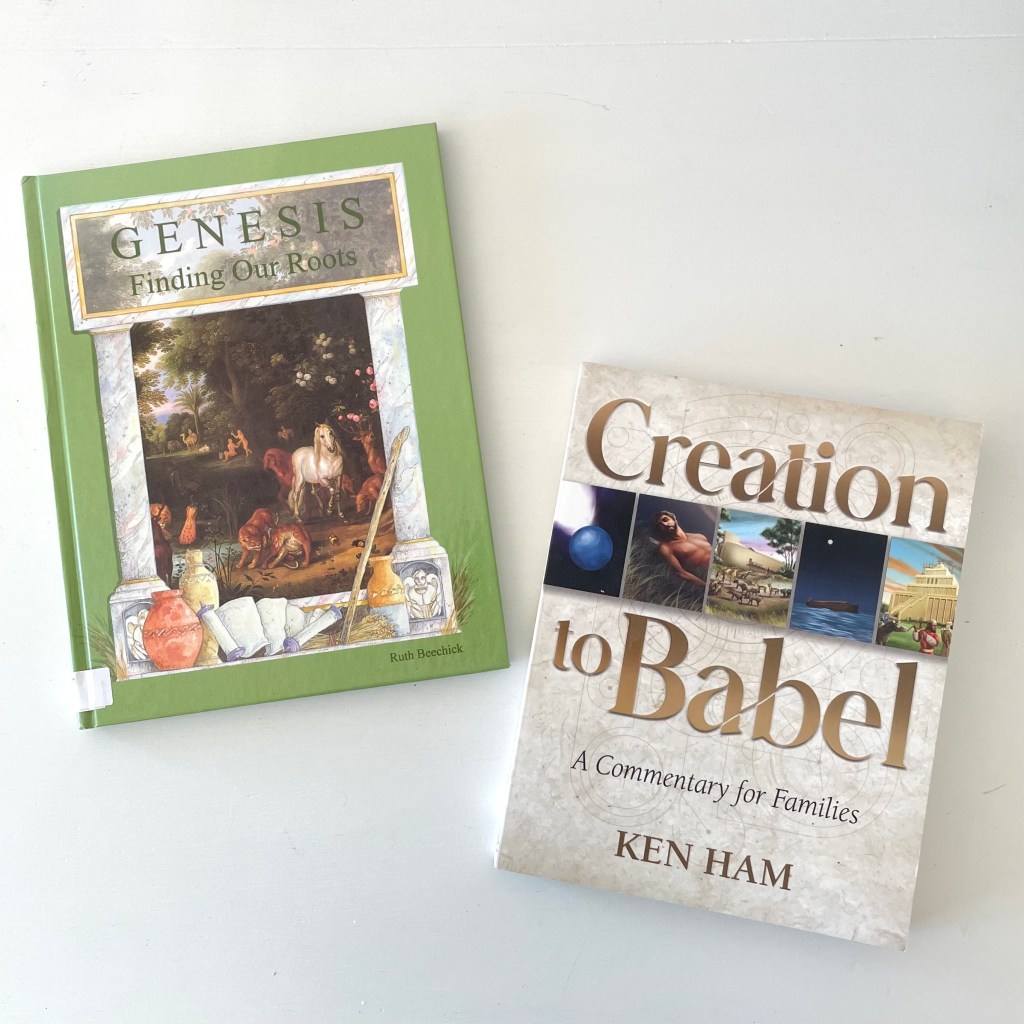
Concerns with Genesis: Finding Our Roots
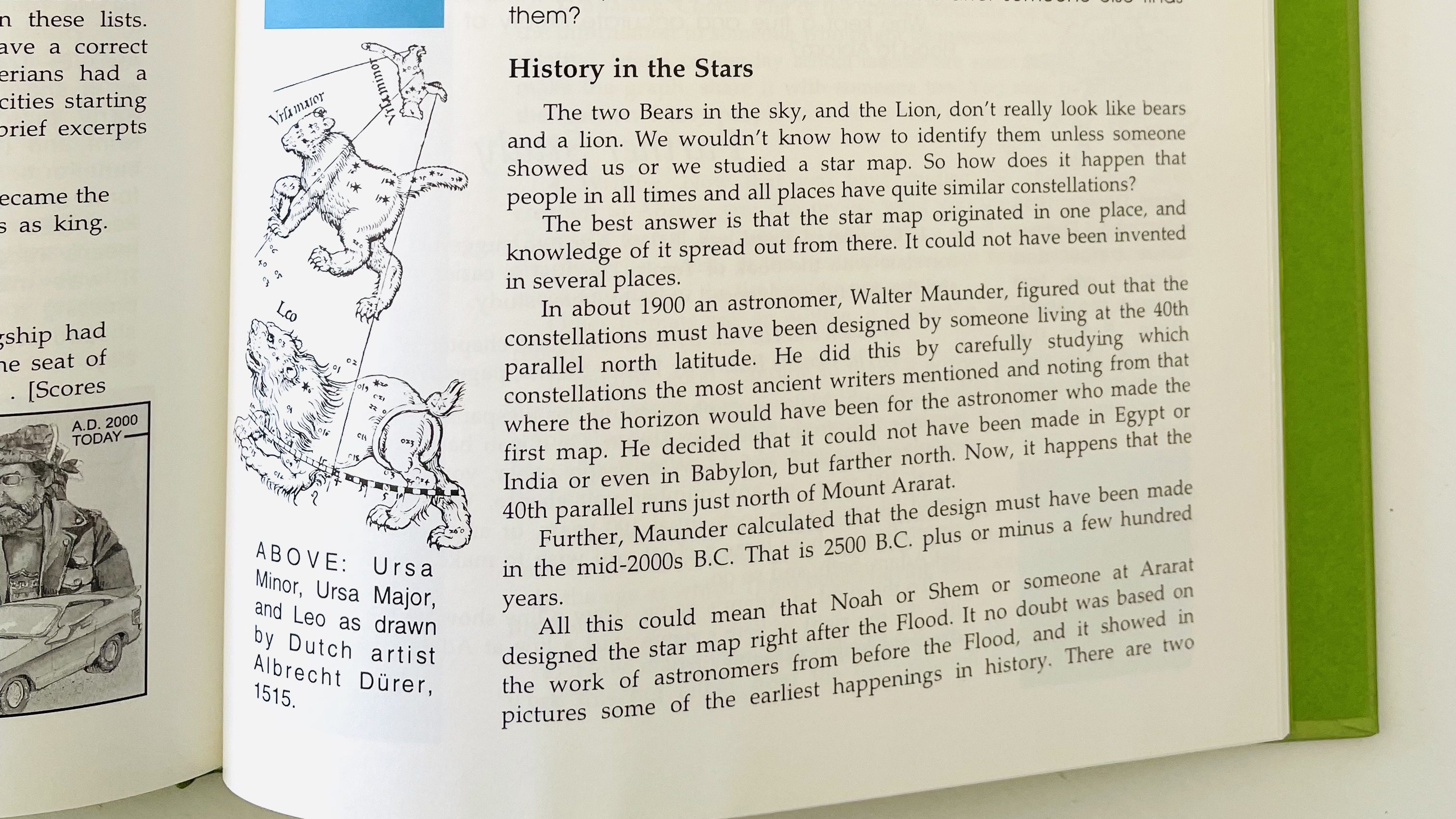
Genesis: Finding Our Roots by Ruth Beechick was the original book that was assigned in AmblesideOnline’s Year 6 curriculum. The reason shared in the footnotes was:
“[T]his book shows one of many ways of looking at Genesis and thinking about how to interpret it: If the flood happened, what are some of the problems and issues that might have followed? How would people respond to such a cataclysmic event? How would I? What are some of the ways it could change my world and what I know? This has application outside of the Genesis flood no matter what you think of that event’s historicity. This book fleshes out and makes the early characters of the Bible feel like real people and, one hopes, helps readers build the skill of thinking beyond what is written about an event into placing oneself in it and speculating and imagining how and what might result, one chain after another” (AmblesideOnline).
I also think this book was chosen as there weren’t any other books like this in the 1990s, and there still really aren’t many books that cover Genesis 1 – 6 for children.
Last year, there was some discussion in the Ambleside Online Facebook group that raised concerns about some of the statements shared in Beechick’s book about Genesis. Beechick walked students through Genesis 1 – 6, focusing on worldview, philology, and historical and cultural background. However, Beechick also often taught speculative things as fact. While speculation can be interesting, that danger is when it implies it is what Scripture teaches, as this is adding to God’s word. While she shares a lot of interesting things that fun to think about, these topics can also distract from the meaning and purpose of Genesis. The author of Genesis didn’t write it to focus on hidden messages, canopy theories, where Noah’s ark rested, or if Shem designed the first constellation map. This is a very man-centric teaching of Genesis.
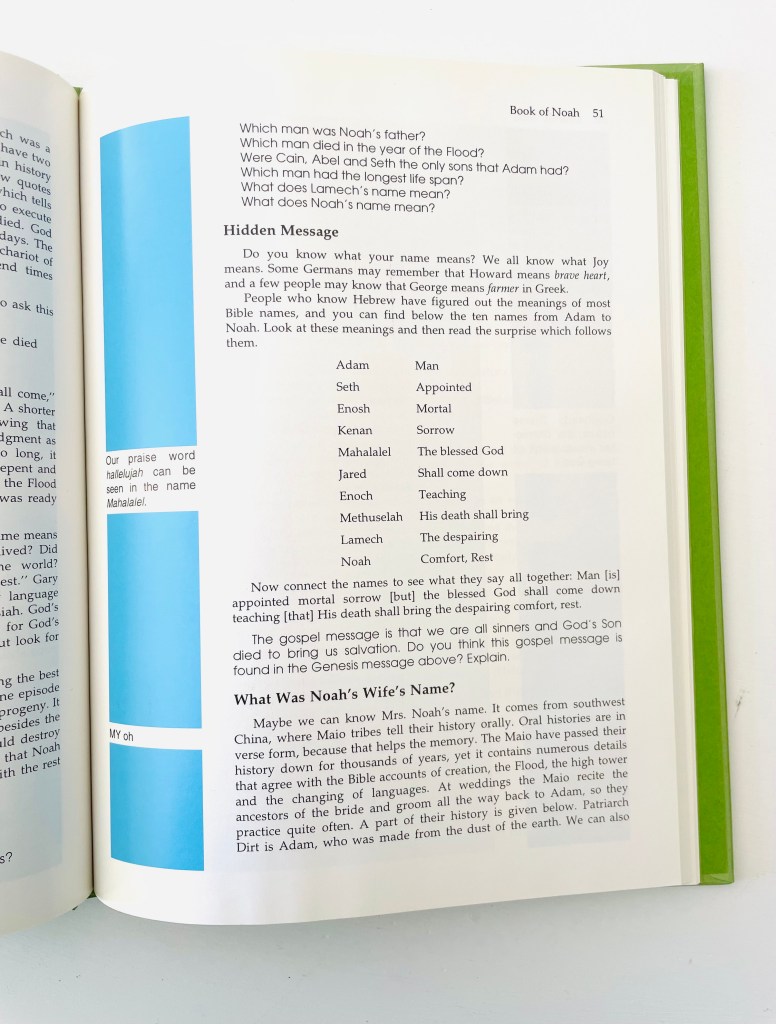

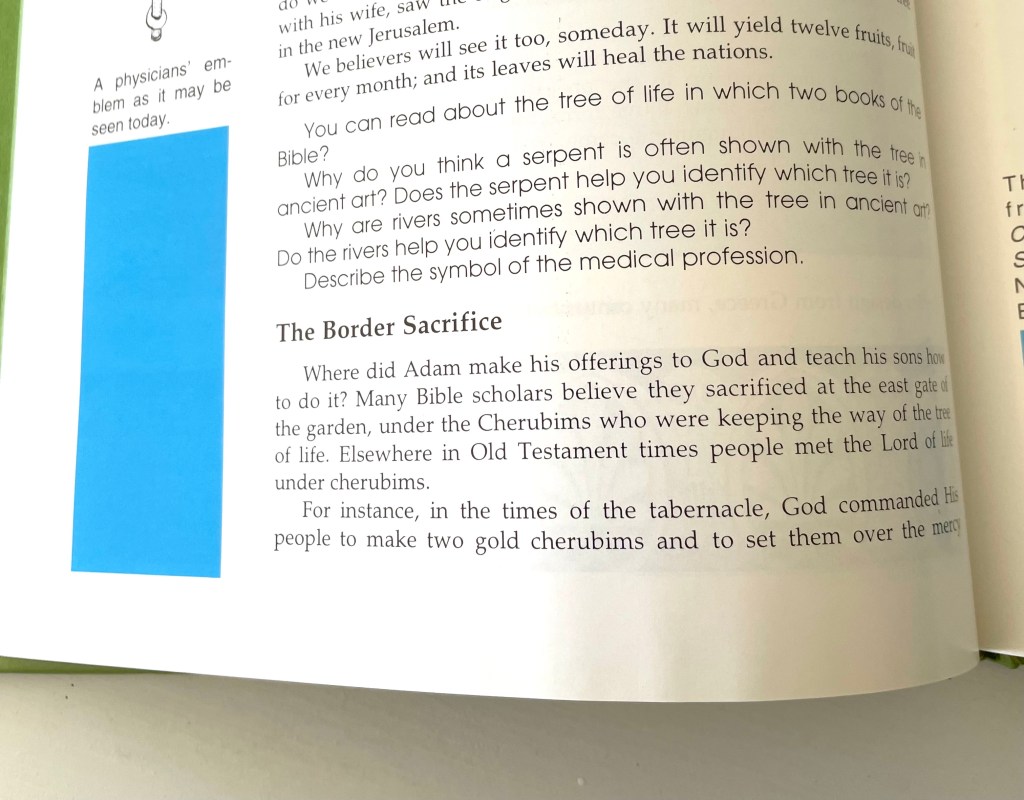
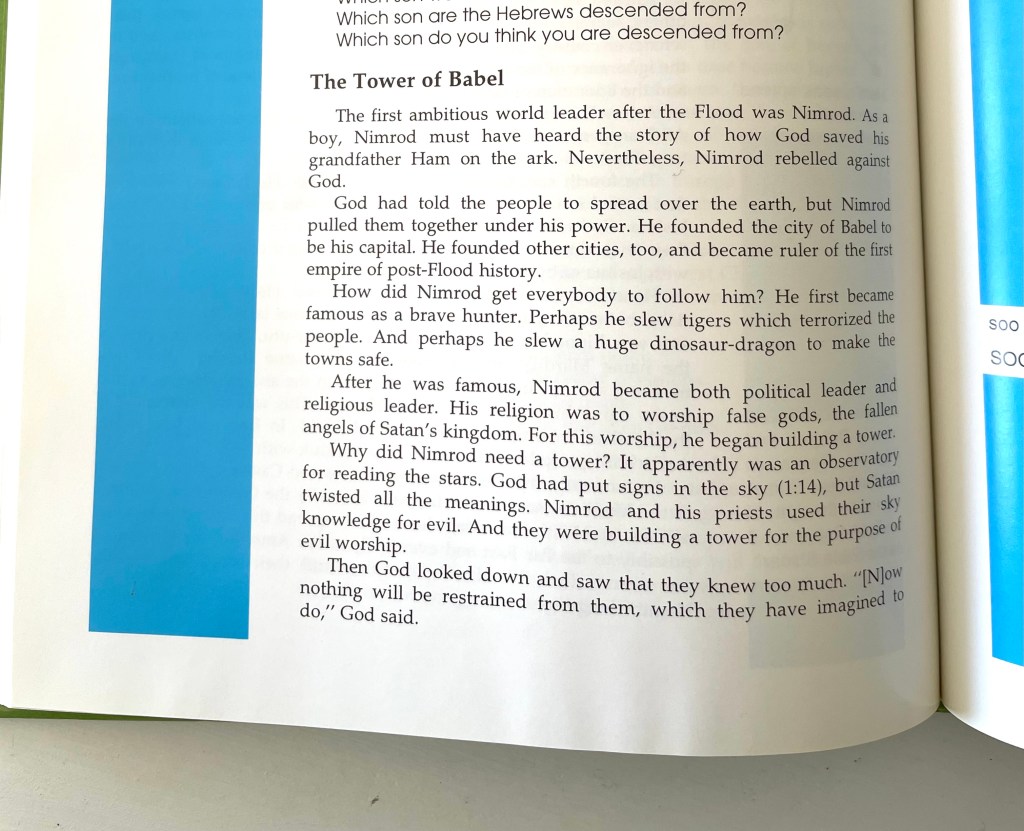
I was hesitant to give my children a book that didn’t have any Scripture or research to back up its claims, seemed to focus on tertiary issues, or could potentially teach my kids to mishandle Scripture. I remember reading Genesis: Finding Our Roots as a child, and only recalling random speculations about Genesis instead of gaining familiar with the book itself.
Substitution for Genesis: Finding Our Roots
It took me a while to figure out what I was looking for as a substitution. I didn’t want an apologetic book, as I knew that Year 7 would cover some of these topics and my son was already reading It Couldn’t Just Happen which addresses the Theory of Evolution.
I wanted a book that was almost like a commentary of Genesis 1 – 6, speaking to worldviews of Ancient Near Eastern culture at that time or perhaps what the author of Genesis was trying to communicate to its original readers.
I narrowed it down to two books: The Dawning of Redemption by Ian J. Vaillancourt and Creation to Babel: A Commentary for Families by Ken Ham. The first book was a fun find, as I took Dr. Vaillancourt’s class on Pentateuch in seminary and loved it! The reason I didn’t choose this book, though, was because it covered way more material than I was looking for and only the first three chapters would be needed. It is also written to adults.
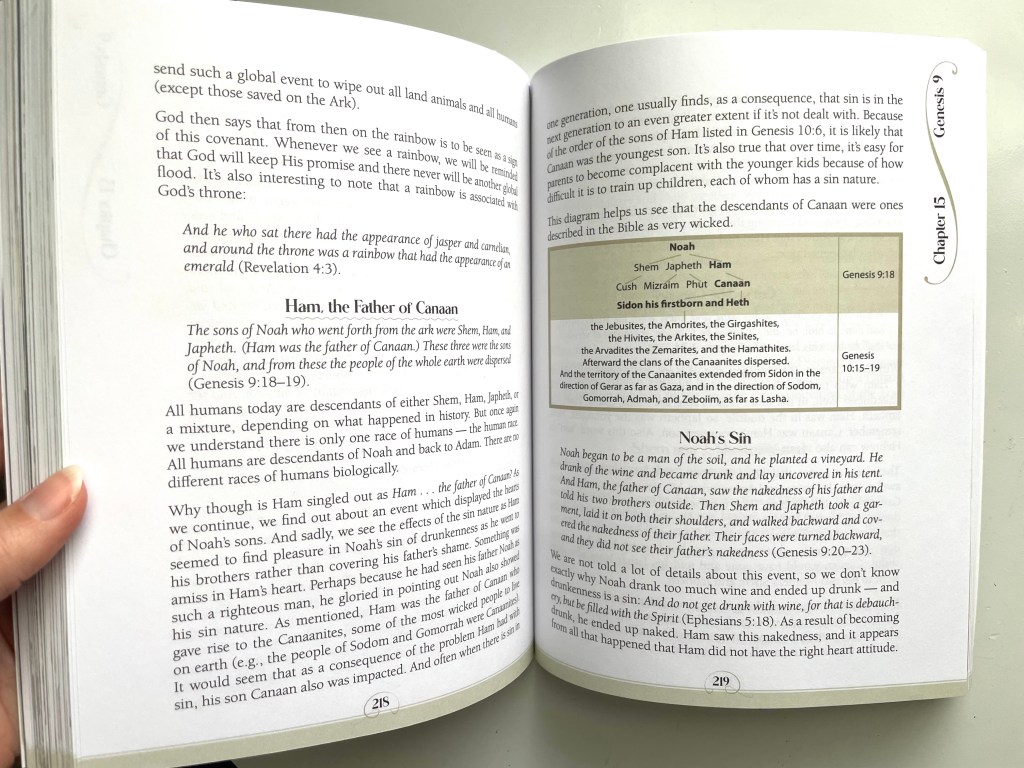
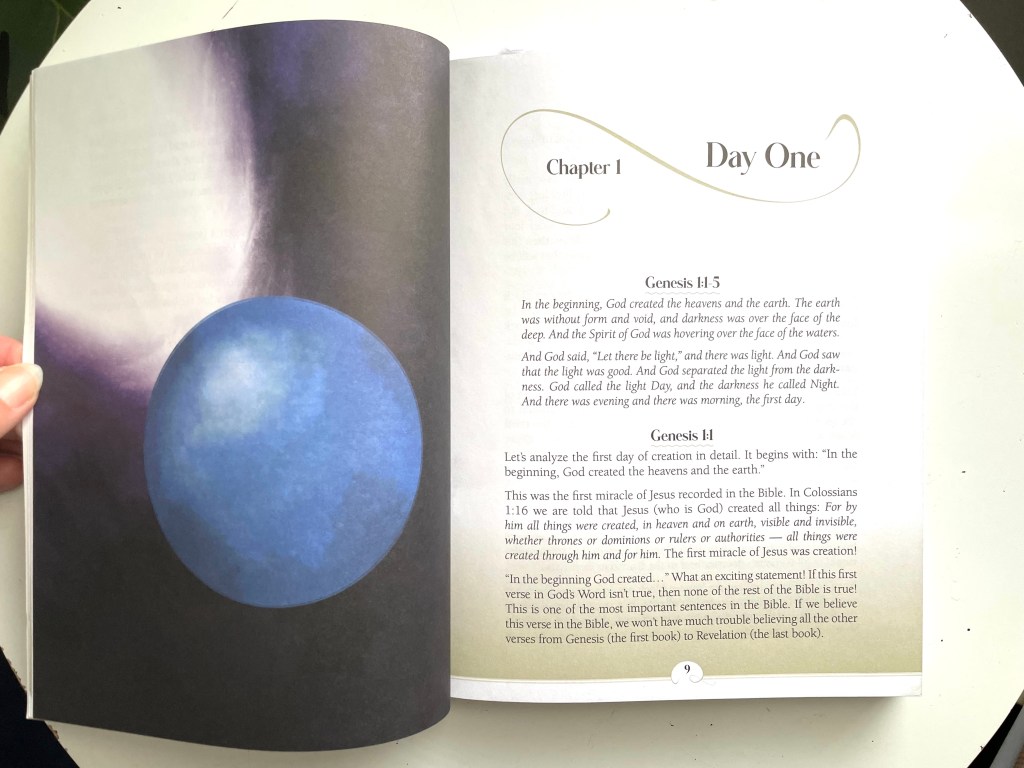
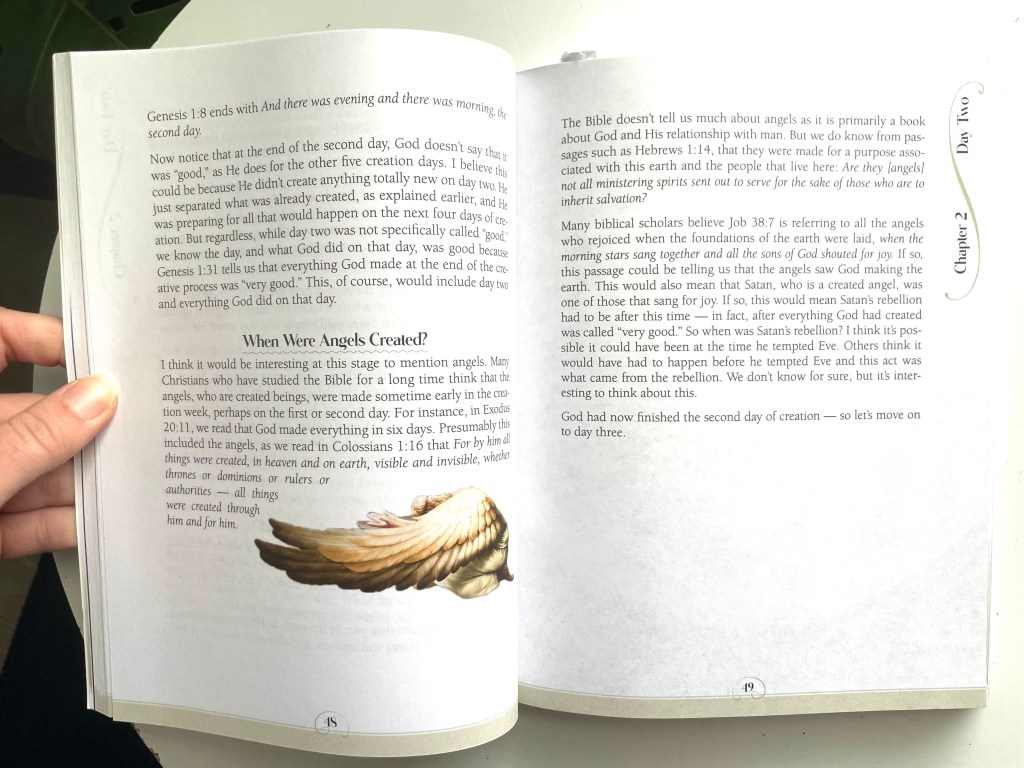
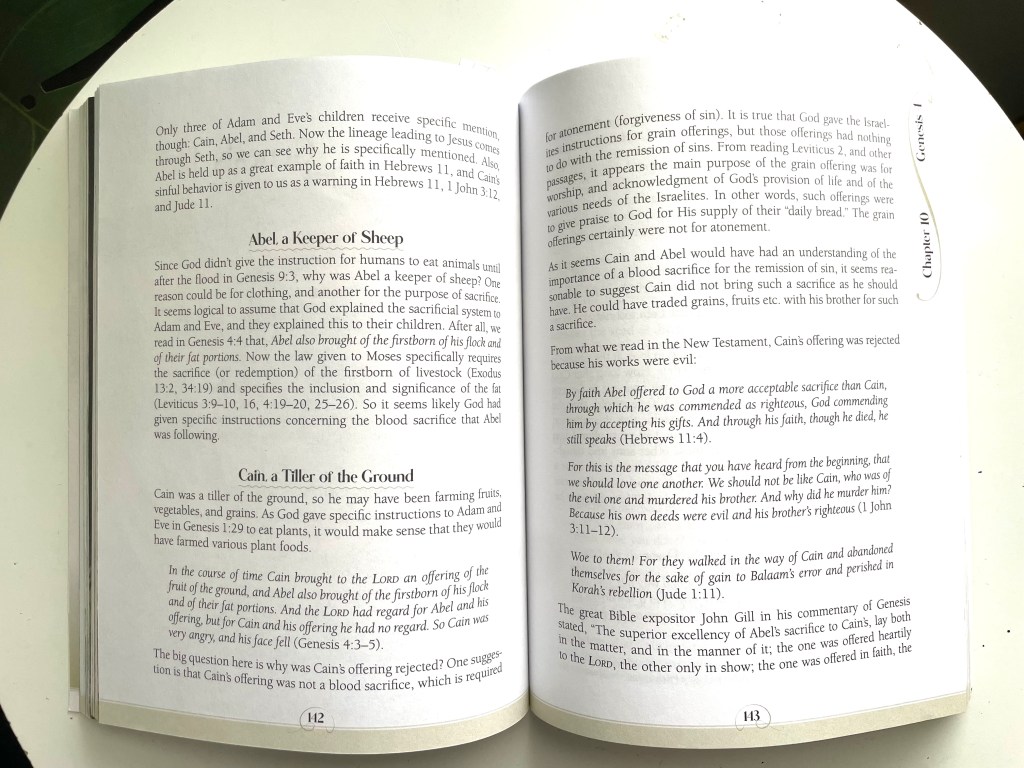
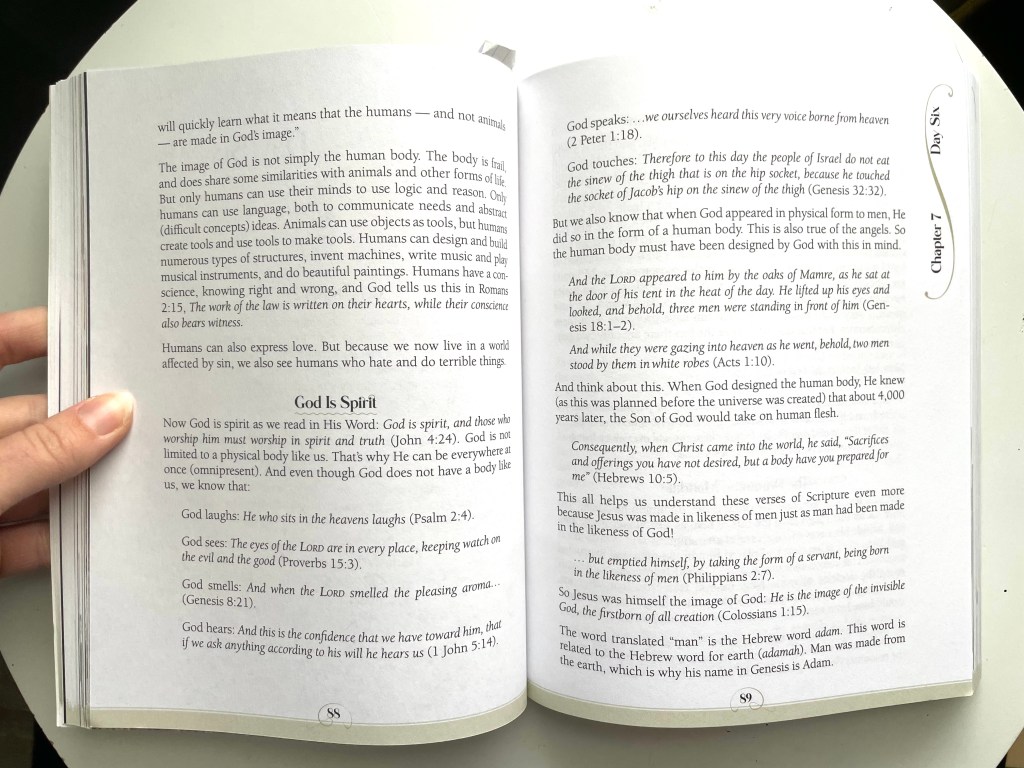
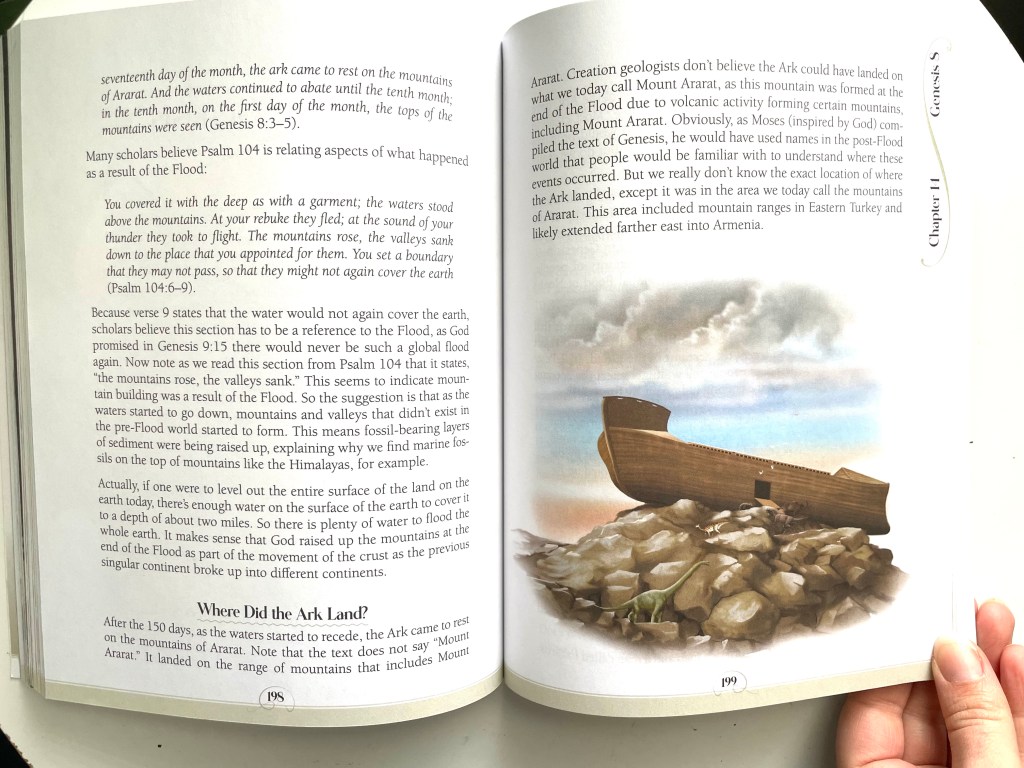
We ended up using Creation to Babel which is published by Master Books in 2021. Ken Ham, the author, shares in the introduction:
“This commentary will feature apologetics (answers to skeptical questions and objections), how to think foundationally to know what we believe as Christians (doctrine), and why, and how to develop a truly Christian worldview. There is also a devotional aspect throughout as we gain understanding of who God is what He has done for us, and thus why we should thank and praise Him.
The teaching also will be equipping people to know how to have a correct worldview regarding contemporary issues like gender, gay “marriage,” abortion, racism, and others.”
Ken Ham is a well-known young earth creationist, and I appreciate how he handled the topics throughout these chapters in Genesis. He does not teach theistic evolution. Nor does he teach tertiary issues (like the canopy theory) as a primary theological value. Instead, for example, he explains that the canopy theory is simply a scientific model not God’s Word and that interpretations of Scripture are not Scripture. Love this! It’s fun to read about peoples’ ideas and interpretations, but it’s also important to realize that these aren’t Scripture, nor are they issues to break fellowship with other Christians over.
His book also does not feel like a texbook, nor does it speak down to kids or is overly simplified. Ken Ham writes passionately about a topic he is an expert in, and clearly communicates a commentary on Genesis to kids.

A Substition that is still in print
Another huge benefit of this Creation to Babel is that it is not out of print, like the Genesis: Finding Our Roots book whose hardback can be upwards of $30 on eBay. (There is a new paperback edition – but it seems to be of lower quality).
You can find Creation to Babel:
- Used on eBay for as low as $5.87 (with free shipping)
- Used on ThriftBooks for around $9.89
- New on Amazon for $17.91 (or used for $8)
- New on ChristianBooks.com for $15.09
I hope this can present an alternative to those who are looking for one! Please let me know what you’ve used for your family, or if you know of any others books cover similar topics for the age range!
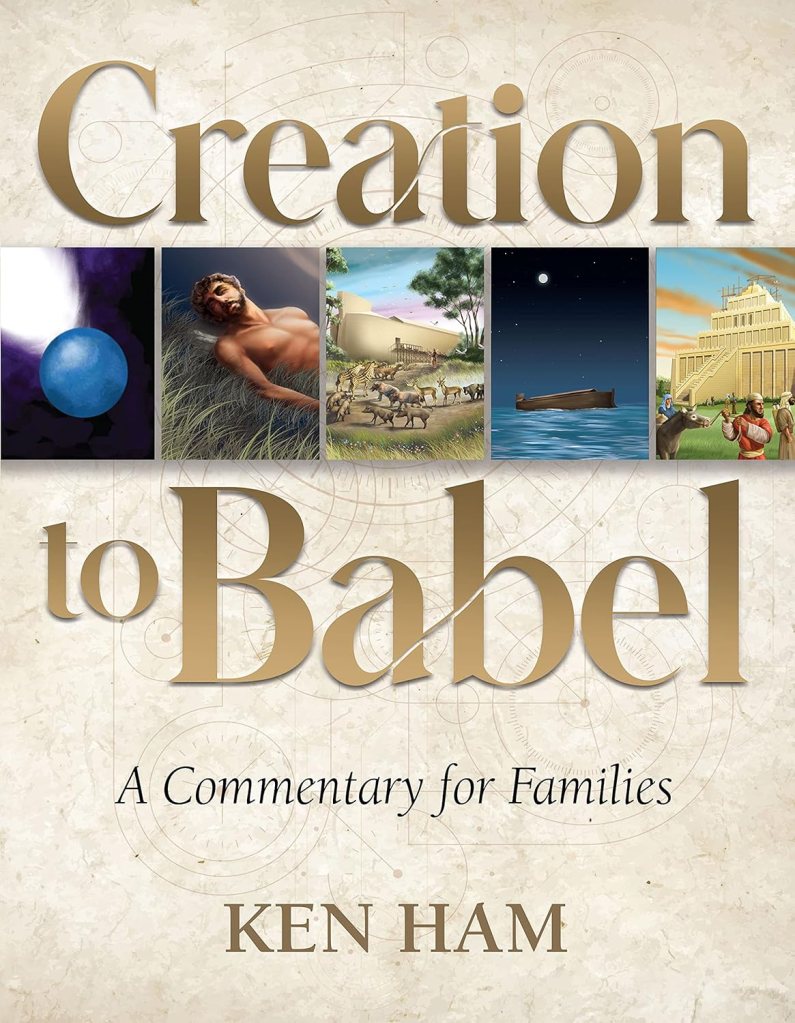
Creation to Babel: A Commentary for Families
by Ken Ham
Master Books, 2021
288 pages


 Lauren Ducommun
Leave a comment