
This October, I am going to highlight Christian women from different eras and centuries of church history. Today I’m sharing about three women found in the New Testament.
Women in the Gospels offer incredible eyewitness testimonies to wo Jesus is , and how he noticed, protected, and dignified women in a culture that often did not. Women in the epistles provide insight and examples of how they followed and served Jesus, that we can model today.
“The resurrected Son of God was first seen through the eyes of women, and women were the first to be entrusted with his news of life.”
— Rebecca McLaughlin, Jesus Through the Eyes of Women
Mary, mother of Jesus
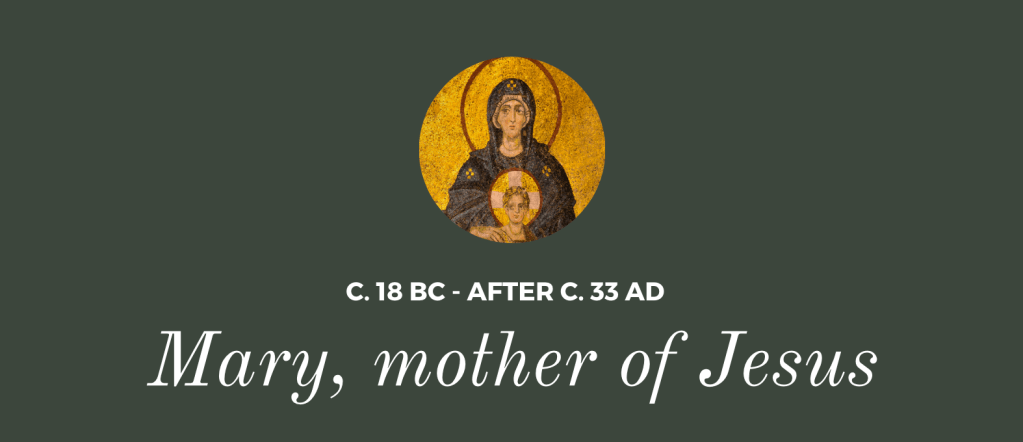
Mary was a young woman of humble estate in the town of Nazareth. God sent Gabriel to tell that she would bear a son who was the long-awaited King. Her response? She consents and tells the angel, “Let it be,” knowing she was risking her livelihood. Later, after visiting her cousin, Elizabeth, she “delivers one of the longest and most powerful speeches made by anyone in the Gospels besides Jesus himself” (McLaughlin).
The Magnificat is beautiful and rich with theology–about the God of our salvation. Bonhoeffer called it “the most passionate, the wildest, one might even say the most revolutionary hymn ever sung.” Mary was the first person to find out Jesus’ identity as the Savior of the world. “At the cross Mary saw the fulfillment of the angel’s word from God” (Severance).
Recommended Reading:
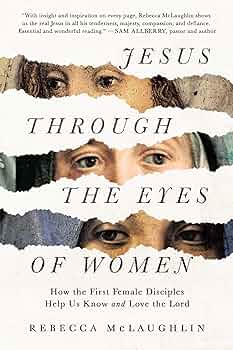
Jesus Through the Eyes of Women by Rebecca McLaughlin (2022)
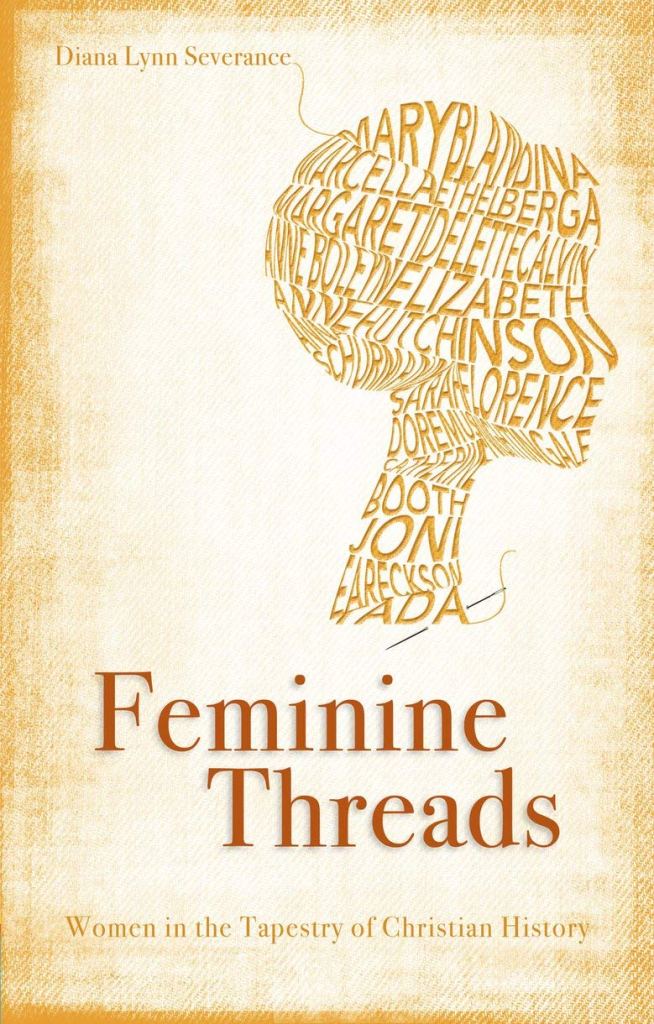
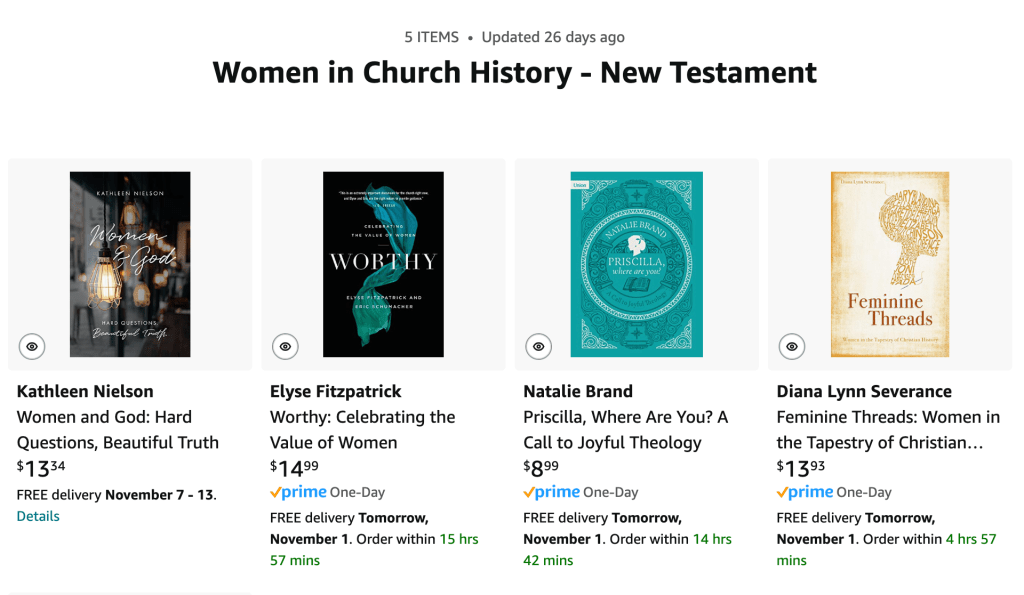
Feminine Threads: Women in the Tapestry of Christian History by Diana Severance (2012)

Worthy: Celebrating the Value of Women by Elyse Fitzpatrick & Eric Schumacher (2020)
“The first two recorded confessions of faith in the Old Testament were from the lips of Eve (Genesis 4:1, 25). It is fitting that the New Testament’s first two recorded confessions of faith are from women (Mary & Elizabeth), daughters of Eve by faith.”
— Elyse Fitzpatrick, Worthy
Priscilla

Priscilla and her husband, Aquila, were among certain Jews deported from Rome in AD 49. They moved to Corinth, where their persecution led them to work with Paul as tentmakers. Afterward, they traveled with Paul to Ephesus, and it was there that Priscilla and Aquila discipled Apollos in the faith. “Priscilla’s gift to the church is her rock-solid doctrine. Because of this, she gave an up-and-coming preacher…theological correction” (Brand). Priscilla and Aquila remained in Ephesus and began hosting the Ephesian church in their home.
Between AD 54 and 58, Priscilla and Aquila returned to Rome after the deportation edict was lifted. They continued in church ministry by hosting a church in their home. Paul called them his fellow workers and shared how both of them risked their necks for his life. All the Gentile churches greatly appreciated their ministry in Rome.
Priscilla and her husband returned to Ephesus sometime after AD 58—perhaps after the Great Fire in Rome—where they served alongside Timothy.
Recommended Reading:
Worthy: Celebrating the Value of Women by Elyse Fitzpatrick & Eric Schumacher (2020)

Priscilla, Where are You? A Call to Joyful Theology by Natalie Brand (2023)
“In dedicating ourselves to theology, we can experience a fearless love and concern for the church like that of Priscilla, fortifying the body so it can be built up in biblical strength.”
— Priscilla, Where are You? by Natalie Brand
Phoebe

Paul described Phoebe as a sister, a servant of the Church at Cenchrea, and a benefactor to many, including himself. She was most likely single or widowed and a businesswoman. He introduced her in his letter to the Roman church, as “Phoebe had the responsibility to carry Paul’s letter from Corinth to the Church at Rome” (Severance).
Recommended Reading:
Worthy: Celebrating the Value of Women by Elyse Fitzpatrick & Eric Schumacher (2020)
Feminine Threads: Women in the Tapestry of Christian History by Diana Severance (2012)
“When one thinks of the tremendous impact of Paul’s letter to the Romans throughout Christian history, exemplified by the conversions of Augustine, Martin Luther, and John Wesley, through this part of Scripture, Phoebe’s faithful transmittal of the letter to the Roman Church takes on added significance.”
— Feminine Threads by Diana Severance
 Lauren Ducommun
Leave a comment